Pilot resin plants for food and wine applications

Pilot resin plants for food and wine applications, measure performance and product impact before full scale investment.

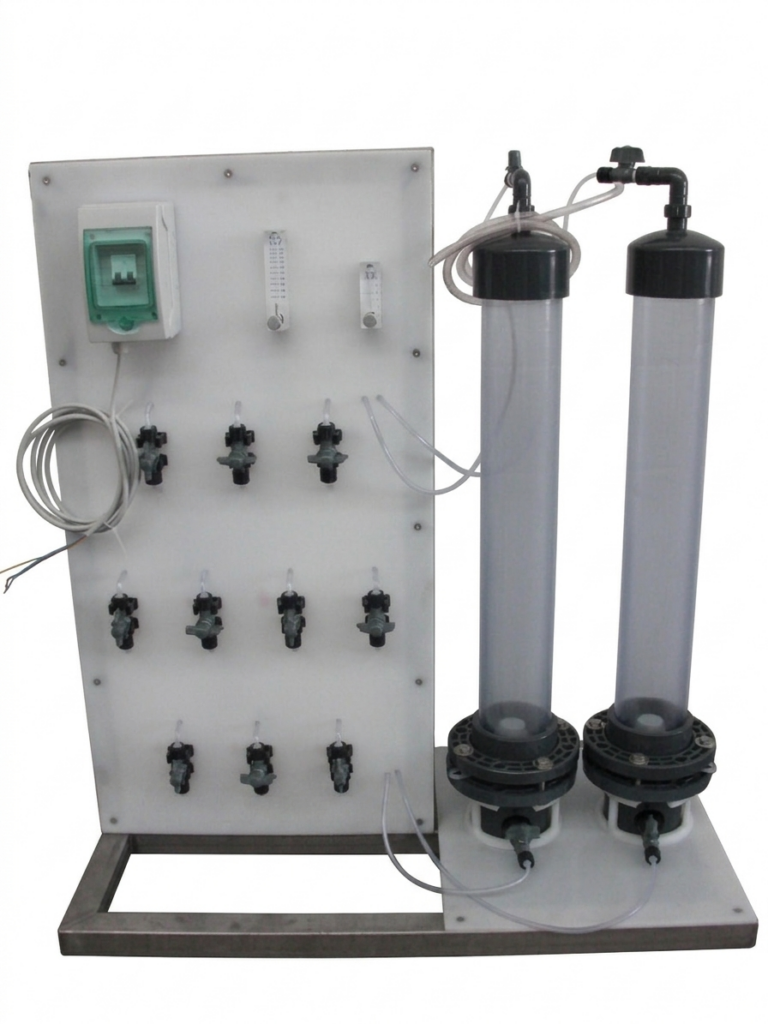
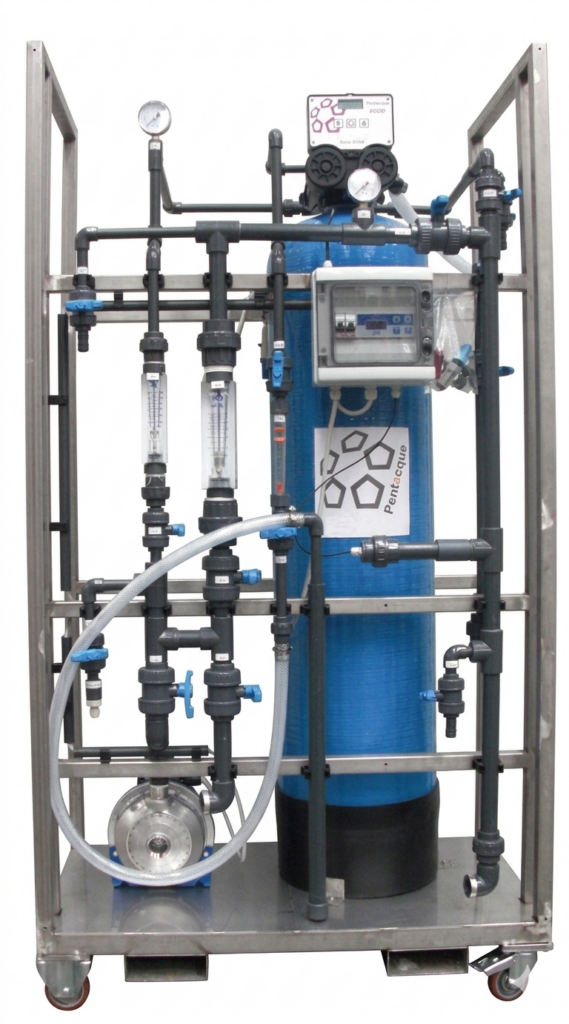
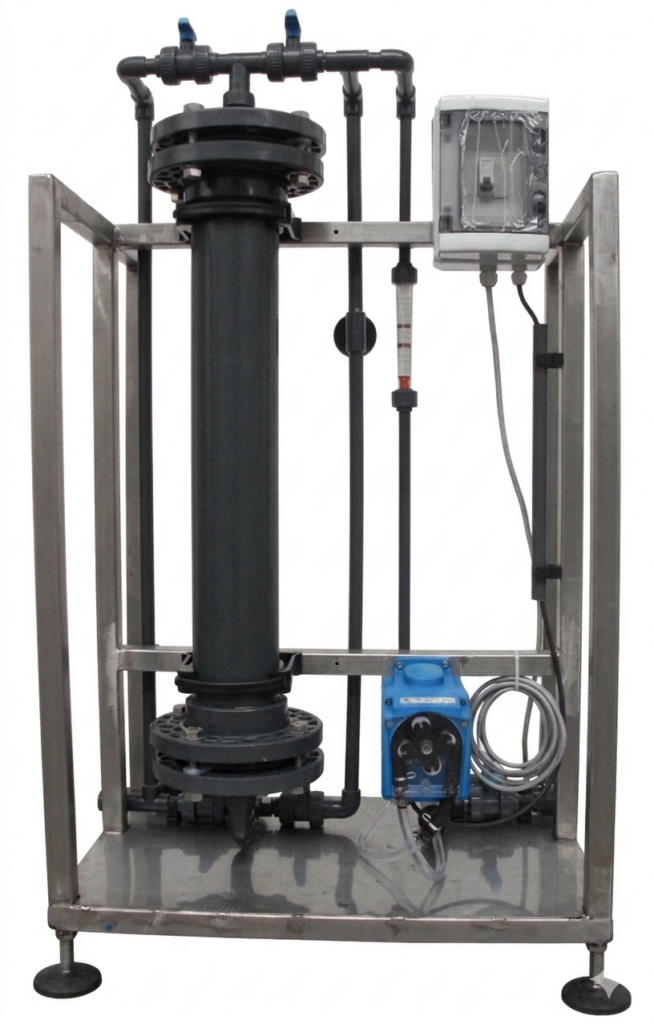
Pentafood designs and provides modular pilot resin skids for food and wine processes, replicating the future industrial treatment at smaller scale to measure performance, repeatability, consumptions and product impact before committing to full scale investment.

Pilot plants use certified food grade resins for trials on juices, grape musts, wines and sugar solutions, supporting applications such as demineralization, decolorization, debittering and selective contaminant removal.
What a pilot resin plant is

A pilot plant simulates real resin process dynamics such as contact times, breakthrough curves, pressure drop, washing and regeneration sequences.

The goal is to verify that mechanisms are repeatable and transferable to the final industrial plant, with measurable evidence on quality and sensory impact.

Why it matters

  • Measure performance and cycle stability on real product.
  • Confirm repeatability across cycles and batches.
  • Estimate consumptions for chemicals, water, energy and time.
  • Verify product impact including sensory constraints and stop points.

When a pilot trial is recommended

Pilot trials reduce risk for new applications, sensory sensitive matrices, selective targets and variable compositions.

They are also useful for installed plants, to validate updated regeneration recipes, setpoints and washing strategies that reduce consumptions and variability.

What a food ready pilot must simulate

A useful pilot must reproduce production equivalent conditions and full cycle sequences, with traceable data and analytical correlation between operating conditions and product results.

Flow, temperatures, pressures, contact times and inlet quality are replicated under production equivalent conditions to obtain transferable results and reliable scale up inputs.

Service and production phases are included, including loading, washing, regeneration, rinsing and restart, to estimate usable capacity, consumptions, stability and operational continuity.

Trends and analytical results are used to correlate operating conditions to performance and quality, assessing repeatability across cycles and batches and supporting decision ready conclusions.

Pilot projects can compare alternative resins and configurations such as fixed bed, multi column and modular layouts, providing objective evidence on performance and operating costs.

Pilot results are translated into column sizing, automation logic, regeneration recipes, expected consumptions and quality control criteria, transferring the process reliably while preserving yield and sensory profile.

Useful references

Breakthrough curve
Ion exchange
Adsorption

Typical pilot outputs:
breakthrough behavior, cycle stability, consumptions, quality impact, operating recipes and scale up sizing inputs.

Pentafood method for pilot trials

Define target and acceptance criteria

Set measurable goals such as ash and minerals reduction, color control or selective compound removal, plus sensory and quality constraints that define the stop point.

Schedule and test protocol

Define samples, number of cycles, sampling points, pre and post analytics and stop criteria to avoid overtreatment and preserve the sensory profile.

Trial execution, analytics and report

Run trials, analyze data, calculate balances and consumptions and deliver a final report that supports industrial sizing and routine operation.

Why choose Pentafood

Pentafood designs modular pilot skids and runs structured trials that generate reliable data on repeatability, consumptions and product impact.

The goal is to select the best technical choice for the industrial plant, with evidence that supports cost sustainable and quality compliant decisions.

FAQ

A lab column is ideal for quick screening of media and conditions. A pilot plant reproduces the full cycle including loading, washing and regeneration and provides realistic data on repeatability, consumptions and operation.

Typically juices, musts, wines, beverage bases and sugar solutions. Feasibility depends on the matrix, the target and the sensory and quality constraints defined in the protocol.

Yes. By measuring usable capacity, regeneration frequency, chemical and rinse water consumption, cycle time and potential product losses, you can build a robust operating cost estimate.

By defining stop points and acceptance criteria, running pre and post analytics and correlating process trends with product results, stopping the cycle when the target is reached.

Yes. Pilot trials are designed for controlled comparisons between media and setups, to select the most effective and cost sustainable solution.

Representative samples plus a clear target and quality constraints. Pentafood defines the protocol, schedule, analytical plan and a final report with scale up guidance.