

Resin for grapefruit processing

Resin for grapefruit processing

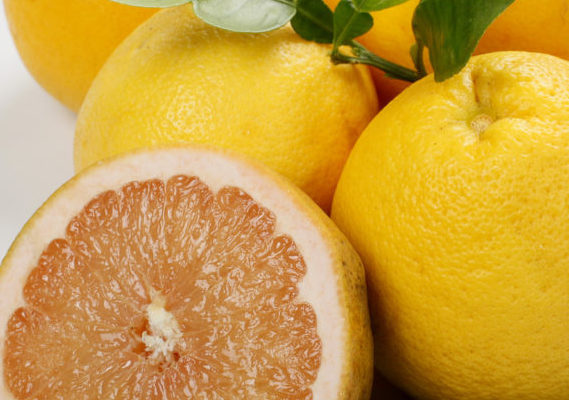
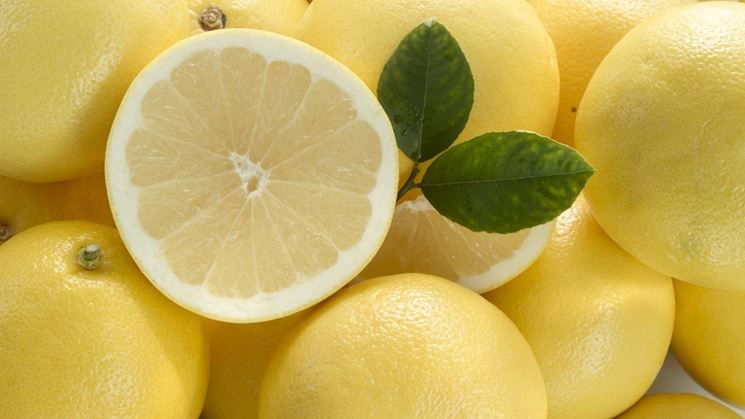
Grapefruit is a citrus fruit with a naturally tart and characteristically bitter taste, valued for vitamin C and antioxidants. At industrial scale, bitterness and acidity may limit consumer acceptance and make batch-to-batch standardization more challenging.

Pentafood grapefruit-juice plants use selective resins to perform debittering and/or deacidification, aiming to deliver a smoother, sweeter-perceived product without adding sugar and without significantly affecting the juice’s nutritional value.
What grapefruit juice debittering is

Debittering is the selective removal of bitterness-causing compounds. In grapefruit, typical contributors are linked to compounds such as naringin/limonin and other fractions related to peel and pulp processing. Fixed-bed adsorption with resins enables controlled bitterness reduction.

What deacidification is and when it helps

Deacidification is a targeted intervention on the acidic fraction of the juice (mainly citrate-related) to reduce perceived acidity and improve consistency across batches. Selectivity and set-points are engineered according to the real matrix and outlet specification.

Key advantages

  • Selective reduction of bitterness and/or acidity with enhanced taste control.
  • Balanced product perceived as sweeter without adding sugar.
  • Repeatable process suitable for seasonal production campaigns.

Main applications of Pentafood grapefruit processing plants

Below are common applications. Each solution is engineered according to matrix, objectives and line constraints, with defined targets and repeatable operation.

Solutions focused on selective removal of bitterness compounds in grapefruit juice to improve consumer acceptance.

Systems optimized for reducing acidity in the juice to balance the sensory profile, maintaining consistent quality across batches.

Pre-filtration systems designed to remove suspended solids that may affect resin performance, ensuring operational efficiency and longevity.

Advanced systems for PLC automation offering remote monitoring options, enhancing operational safety and process management.

Tailored resin systems designed to meet particular processing requirements, offering flexibility in operation and modular layouts.

How to size a resin plant for grapefruit processing

Sizing is driven by the juice characteristics, process targets, and industrial constraints. An appropriate sizing strategy supports repeatability and operational continuity.

  • Juice type, process targets, and product specifications.
  • Flow rates, campaign requirements, and production constraints.
  • Initial analytical parameters including pH, acidity, and flavor profiles.
  • Regeneration strategies and overall utilities management.

Why choose Pentafood

Pentafood designs resin plants for grapefruit processing with a focus on operational efficiency, combining selective treatment processes, automation technologies, and traceable operations for improved product quality.

FAQ

Debittering selectively reduces bitterness-causing compounds, while deacidification reduces the acidic fraction in a controlled manner to achieve a balanced, smoother sensory profile.

Yes. By reducing bitterness and/or acidity, the juice can be perceived as sweeter and more balanced without the need for sugar additions.

Pre‑filtration removes suspended solids that can foul or clog the resin bed, improving process uptime and extending resin service life.

It is a configuration with two columns that alternate operation: while one column works in production, the other regenerates and prepares for service, reducing downtime and improving productivity.

Not continuously. The operation is automated through PLC, managing service regeneration alternation, with alarms and standardized operational procedures.

The treatment is designed to be selective, focused on removing bitterness and/or acidity contributors, preserving the juice’s nutritional value as specified.

Juice type and sensory targets, flow rates, campaign volumes, initial analytics (pH, acidity), and constraints for utilities and integration are essential for proper design.