Extraction production plants

Resin plants for extract production and decolorization: quality, repeatability and process control

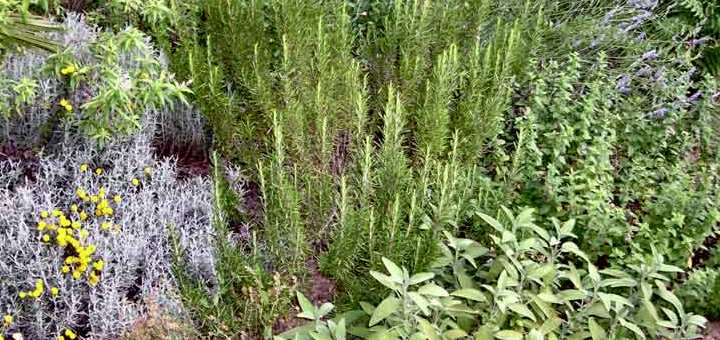
Botanical and herbal extracts are used in wellness products, supplements, cosmetics and food preparations. During production and standardization, color may be too intense or variable across batches, making selective decolorization a key industrial step.

Pentafood designs column plants with adsorbent resins for decolorizing plant extracts, scalable for artisanal and industrial operations. The goal is to reduce coloring organic fractions in a controlled way while preserving, as much as possible, the extract’s organoleptic and chemical profile according to the outlet specification.
What resin plants for extracts are used for

A resin plant for extracts is a column system where the solution flows through an adsorbent resin bed. The resin selectively retains color-causing organic fractions and related impurities, delivering a clearer extract with improved batch-to-batch consistency.

How they fit into production operations

Pentafood plants are PLC controlled across all phases, including processing, regeneration and storage. Automation enables anomaly detection with local alarms and, where configured, remote notifications to support operational continuity.

Key advantages

  • Selective decolorization tailored for controlled reduction of color compounds.
  • Improved batch consistency for standardized product quality.
  • Advanced automation for operational efficiency and remote support.

Main applications of Pentafood extract plants

Below are common applications. Each solution is engineered according to matrix, objectives and line constraints, with defined targets and repeatable operation.

Adsorbent resin plants designed to selectively reduce color compounds from extracts, enhancing clarity and stability.

Pre-treatment filtration setups for solid removal, protecting downstream resin systems from fouling and ensuring consistent operation.

Automated systems for effective resin regeneration, ensuring longevity and efficiency of the decolorization process.

Customizable solutions based on specific production needs, flow rates, and operational objectives for effective extract treatment.

Integrated monitoring solutions to track performance metrics and ensure quality adherence through the production cycle.

Advanced automation equipment for seamless integration into existing plants, supporting operational continuity and efficiency.

How to size a resin plant for your production

Sizing is driven by the matrix, the process target and the outlet specification, plus production constraints and utility management. A correct sizing approach supports repeatability and operational continuity.

  • Extract characteristics, including type and concentration, plus target color.
  • Flow rate, campaign volumes, and operating constraints for optimal performance.
  • Initial analytics on solids and turbidity metrics, critical for filtration system sizing.
  • Utility requirements and integration needs based on plant specifications.

Why choose Pentafood

Pentafood designs resin plants for extract production with a focus on performance, reliability and operational flexibility, addressing the needs of both artisanal and industrial producers.

FAQ

It is a selective treatment that reduces color-causing organic fractions and related impurities to obtain a clearer, more consistent extract.

The process is designed to target mainly coloring substances while minimizing impact on other chemical and organoleptic characteristics according to the outlet specification.

Depending on throughput and targets, plants can use a single column or 2–3 columns in series to improve efficiency and service continuity.

Filtration reduces solids and particulates that can foul the resin bed and cause clogging, improving process stability and resin lifetime.

Yes. Automation manages service, regeneration, alarms and diagnostics. When required, remote management/support can be implemented.

Typically nutraceuticals and herbal products, ingredients, beverages and cosmetics, where color consistency and product standardization are required.

Extract type and concentration, outlet color target, flow rate and campaign volumes, solids/turbidity level, and utilities/inline integration constraints.