



Pentafood designs resin plants specifically for debittering and deacidification of pomegranate juice. These systems optimally reduce bitter and astringent compounds, resulting in a balanced sensory profile without the need for added sugars or synthesized flavors. When necessary, the same technology can also be adapted for controlled acidity reduction.
Pomegranate juice debittering or deacidification plants
Process overview
Following pressing, potassium and acid components are present that may form undesirable crystals in the juice. This not only affects the taste but can also impact consumer acceptance and packaging efficiency. Our systems effectively manage these components to maintain visual and sensory quality.
Engineering and automation
Our plant operates in a fully automated mode, utilizing PLC technology to manage service cycles, regeneration, and necessary rinses without continuous operator presence. This automation increases reliability and reduces operational downtime through optimized preventative maintenance protocols.
Key advantages
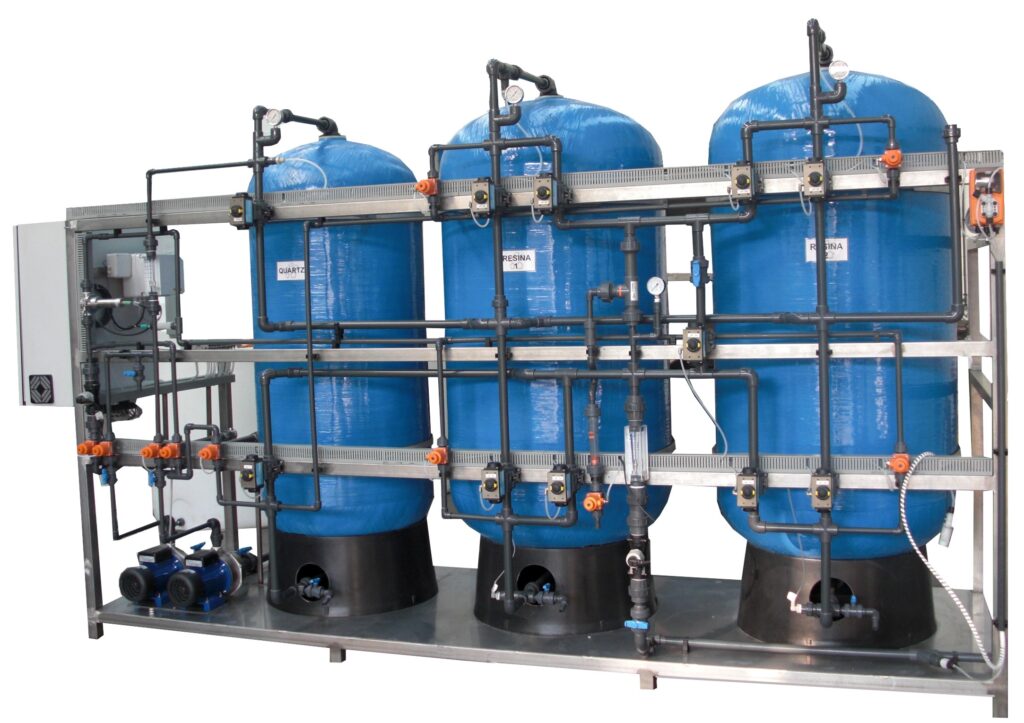
Technical configuration
The pomegranate juice flows through specially designed columns that contain food-grade adsorbent resins. These resins adsorb unwanted bitter and acidic compounds, preserving the juice’s original taste profile and quality. The setup is customizable based on variables such as flow rates and specific product characteristics.
Each unit is fabricated with a focus on hygienic design, employing stainless-steel components in all contact areas. We ensure robust construction to facilitate long-term operational capability and ease of maintenance.
Sizing inputs
- Pomegranate juice quality and initial bitterness level.
- Acidity profile and desired end characteristics.
- Production capacity and operational cycle needs.
- Filtering needs to prepare juice for treatment.
- Column configuration based on operational demands.
For many applications, treating only 5 to 15 percent of the total juice volume can achieve the required sensory targets while maintaining consistency in acidity and mouthfeel.
FAQ
It reduces bitterness and astringency selectively, producing a sweeter and better-balanced juice without the need for added sugars.
Debittering targets bitter/astringent fractions; deacidification reduces total acidity or specific acidic species to achieve a rounder taste.
It depends on flow rate and specification: plants can use one or multiple columns according to production needs and sensory target.
To remove impurities and colloids, prevent fouling of resin columns and improve process stability and repeatability.
When saturated, the resin is regenerated with a water + caustic soda solution to restore adsorption capacity for the next cycle.
No. Under standard conditions the plant can run automatically without continuous staffing.
The process is designed to be selective on undesired fractions and to preserve the juice composition as much as possible, avoiding unnecessary changes.