

Technical service for resin plants in food and wine

Technical service for resin plants, stable performance and fewer deviations in food and wine applications.

Pentafood provides periodic technical service on food grade resin plants used in food and wine processes, to keep performance stable, prevent chemical and sensory deviations, and reduce unplanned downtime.

Service is available for the plants we supply and includes scheduled maintenance, process checks, regeneration verification and service reporting. Product analytics comparison can be included when required.
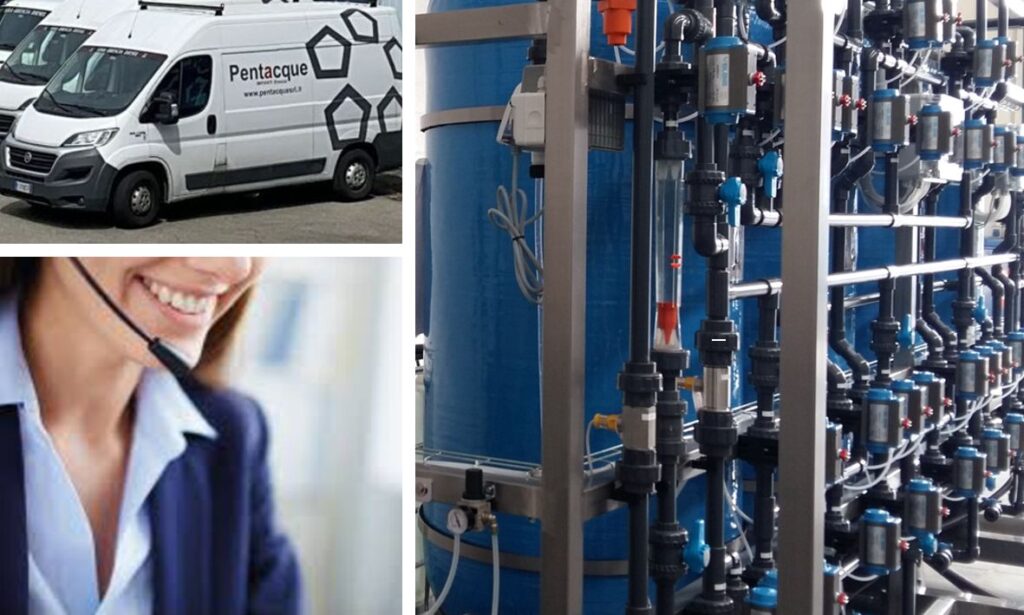
Why service is part of the plant value

In food grade resin systems, performance depends on operating parameters such as flow, contact time and pressure, resin condition, regenerant quality and correct rinsing sequences.

A service plan turns maintenance into an investment. It improves repeatability on the product, optimizes chemical consumption and lowers the risk of quality drift.

What the service includes

  • Scheduled visits defined by cycles, matrix and criticality.
  • Performance checks based on indicators and measuring points.
  • Regeneration verification and rinse sequence review.
  • Mechanical inspection of critical components and safety interlocks.
  • Service report with actions, findings and recommendations.

When a plan is recommended

A plan is recommended when:

  • The product is sensory sensitive.
  • Repeatability across lots is required.
  • Regeneration cycles are frequent.
  • Production continuity is critical during harvest season, peak loads and 24/7 lines.

What Pentafood service includes

Periodic service keeps resin plants aligned to target outlet quality, stable cycles and safe operation, supported by measurable checks and clear traceability.

Planned visits tailored to plant type and process criticality. Frequency is defined by operating hours or cycles, expected quality and downtime risk. Dedicated checklists and acceptance criteria are prepared for each application.

Verification of differential pressure, flow, conductivity and pH where applicable, temperatures and measuring points to detect early fouling, bed channeling, setpoint drift or regeneration inefficiency.

Review of regeneration sequences including dosage, time and rinses, verification of concentrations and volumes, and recipe tuning to increase usable capacity while maintaining the target outlet quality.

Checks on valves, seals, instrumentation, sensors, pumps and safety interlocks, plus verification of leaks and overall skid condition.

When required, the visit includes assessment of key product parameters and inlet and outlet comparison against acceptance criteria such as stability, ash and conductivity, metals and color.

Each visit provides a report documenting actions, findings, recommended adjustments, replacements and preventive actions. Traceability supports QA, audits and operational continuity. Pentafood also supports the customer team with procedures updates, best operating practices and troubleshooting guidance to maintain consistent results over time.

Useful references

Preventive maintenance
Traceability
CIP (Cleaning in Place)

Typical monitoring points:
differential pressure, flow, conductivity and pH where applicable, temperature, sequence consistency, outlet quality indicators.

How the service works, plan, visit, report

Service plan definition

Agree frequency, scope, critical points and acceptance criteria based on cycles, matrix sensitivity and production continuity requirements.

On site checks and tuning

Measure indicators, verify regeneration and rinsing, inspect critical components, then apply adjustments to improve repeatability and reduce consumptions.

Report and traceability

Deliver a service report with actions, checks and recommendations, supporting quality assurance, audits and continuity.

Why choose Pentafood

Pentafood combines resin know how with structured service methods to maintain stable outlet quality, consistent cycles and reliable operation over time.

The result is a plant that stays on target, with reduced deviation risk and better control of operating costs.

FAQ

Common symptoms include earlier breakthrough, increased pressure drop, outlet quality variation, rising regenerant consumption, alarms or sequence anomalies, or sensory drift in the treated product.

It depends on cycles, matrix and target. Frequency is defined based on operating hours or cycles and process criticality. Some plants require closer checks during seasonal campaigns, others can run on quarterly or semi annual plans.

Yes. By optimizing dosages, times and sequences, resin usable capacity improves and unnecessary overconsumption is avoided while keeping outlet quality on target.

When agreed, service can include assessment of key analytical parameters and inlet and outlet comparison to verify compliance with acceptance criteria.

Performed actions, measurements and checks, adjustments, operational recommendations, parts and consumables involved and suggested preventive actions for the next cycles.

Yes. Support includes training, procedure updates and practical guidance on setpoints, regeneration management and quality checks to achieve more stable results.