

Resins for orange and lemon processing

Resins for orange and lemon processing

Citrus juices (especially orange and lemon) are valued for aroma and vitamin C. In terms of technology, orange juice typically has higher total sugars, while lemon juice is characterized by acidity, mainly from citric acid.

Pentafood citrus juice plants employ selective resins to perform two key treatments: debittering (bitterness reduction) and deacidification (controlled acidity reduction). The aim is to achieve a more balanced and pleasant juice while ensuring an industrial process that is repeatable and traceable.
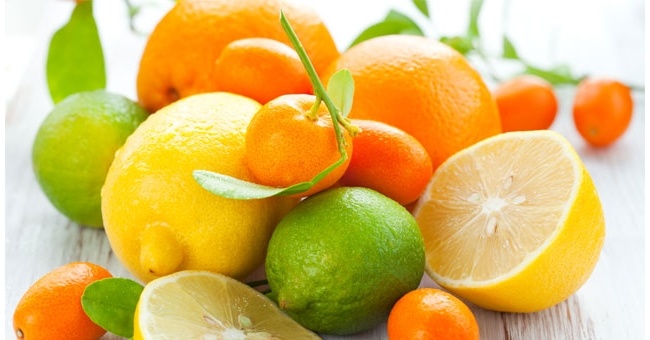
What citrus juice debittering is

Debittering refers to the selective removal of bitterness-causing compounds. In citrus juices, the main contributors are often limonin and naringin. The fixed-bed adsorption with resins allows for bitterness reduction without the addition of sugars.

The process is tailored to maintain a stable quality.

What deacidification is and when it is used

Deacidification is a targeted intervention on the acidic fraction (mainly citrate ions) to reduce perceived acidity and standardize taste across batches and seasons. Careful engineering defines selectivity and set points to prevent excessive removal and to preserve the desired sensory profile.

Key advantages

  • Targeted bitterness and acidity reduction with enhanced organoleptic control.
  • Perceived sweeter product without the addition of sugars.
  • Repeatable industrial process suitable for seasonal production and standardization.

Main applications of Pentafood citrus juice plants

Here are common applications. Each solution is engineered according to matrix, objectives and line constraints, with defined targets for a repeatable operation.

Solutions focused on reducing bitter and acidic components, with modular layouts depending on flow rate and production volumes.

Systems designed to manage bitterness and acidity under controlled conditions, tailored based on the process specification for citrus juices.

Customizable systems for different flavor profiles, utilizing ion exchange resins and adsorbent resins for targeted treatments according to sensory specifications.

Technologies aimed at optimizing and controlling the process of citrus juice, ensuring enhanced flavor retention and balance across batches.

Pentafood provides optional integrated systems for remote monitoring that enhance operational control by detecting issues proactively.

How to size a resin plant for your citrus juices

Sizing strategies are influenced by the juice type, desired aesthetic targets, and filling conditions, plus production constraints. Adopting a structured sizing approach ensures repeatability and operational stability.

  • Juice type, like orange or lemon, and desired sensory targets.
  • Hourly flow rates, campaign volumes, and operational parameters.
  • Initial analytics including pH, bitterness profiles, and other conditions.
  • Management strategies for resin regeneration and operational utilities according to system design.

Why choose Pentafood

Pentafood crafts customizable resin plants for citrus processing with a focus on achieving specific flavor balance, ensuring process traceability, and implementing PLC-controlled operations.

These plants are designed for easy integration into processing lines and accommodating diverse production scales and needs.

FAQ

Debittering reduces bitterness compounds (e.g., limonin and naringin). Deacidification reduces acidity (mainly citrate ions) in a controlled way to balance taste and standardize production.

Yes. By reducing bitterness and/or acidity, the juice may be perceived as sweeter without the addition of sugars.

It is strongly recommended. Filtration/clarification reduces suspended solids that can clog the resin bed and affect stability.

It depends on flow rate, campaign volumes and selectivity. Solutions can include one or multiple columns designed for productivity and continuity.

Yes. PLC automation controls service and regeneration cycles, integrating programmable sequences and alarms.

Typically orange and lemon, with options for blends or other citrus matrices. Sizing and selectivity depend on the specific product.

Data needed includes juice type, sensory targets, flow rates and volumes, plus analytical parameters (pH, titratable acidity, Brix), along with utility and integration constraints.