



Resin plants for wine deacidification and acetic acid removal are engineered to selectively reduce volatile acidity while ensuring that the overall wine profile remains intact. These systems are essential for addressing the presence of acetic acid, particularly when it results from microbial activity that alters flavor profiles. The deacidification process is thus pivotal for maintaining quality and compliance with regulatory standards.
Wine deacidification and acetic acid removal plants
Process overview
The deacidification system operates efficiently, focusing on reducing volatile acidity through the use of advanced resin technology. This allows for simultaneous processing of different wine varieties while preserving their distinct sensory profiles throughout the treatment. Enhanced automation contributes to improved reliability and operational efficiencies within production lines.
Engineering and automation
Our systems feature fully automated PLC control for management of service phases and regeneration processes, minimizing human intervention. This ensures repeatable results and optimized operation environments tailored to specific wine characteristics. The automatic adjustments allow for precise tailoring of treatment parameters to maintain the organoleptic qualities of the wine.
Key advantages
Technical configuration
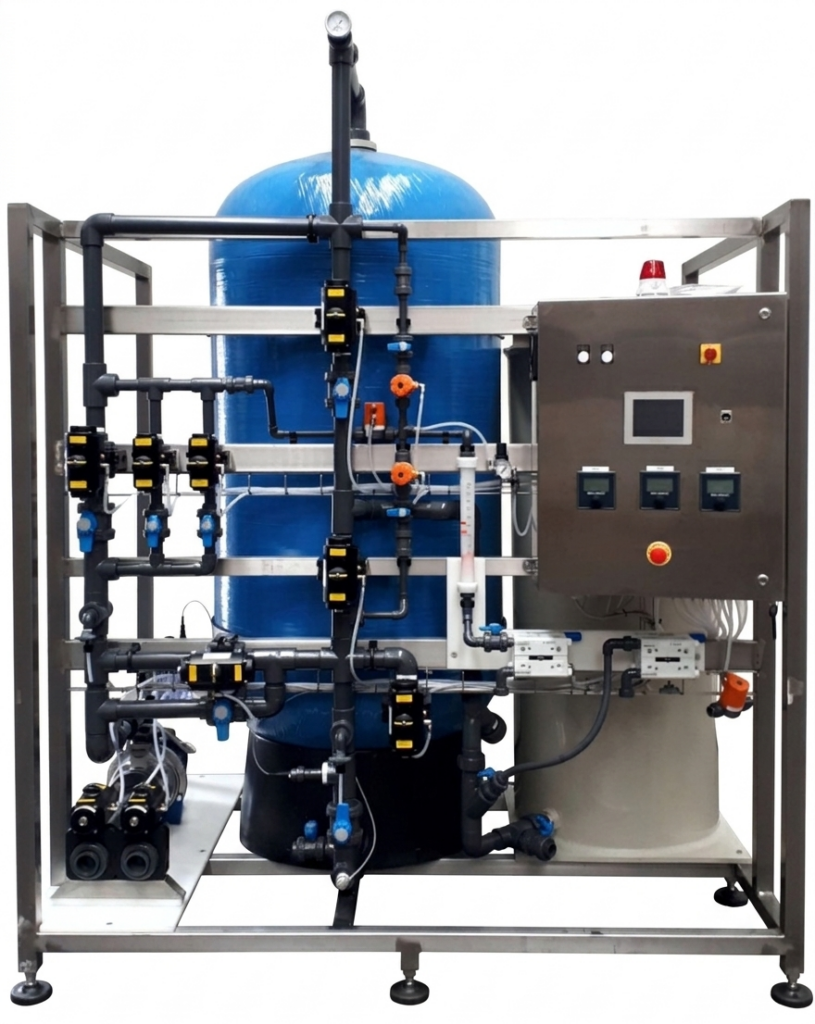
Wine is processed through columns filled with a specialized ion-exchange resin. This technology effectively captures acetic acid while allowing the wine’s flavor profile to remain largely unaffected. The system is robustly constructed, featuring a corrosion-resistant stainless-steel frame equipped with hygienic pneumatic valves for optimal operation.
The operational design enhances flow management while ensuring easy maintenance and cleaning, supporting a streamlined winemaking process.
Sizing inputs
- Volume and type of wine to be treated.
- Initial volatile acidity measurements.
- Desired reduction targets and end specifications.
- Operational mode (continuous or batch).
- Colloidal and filtration conditions in the preceding process.
Processing a portion of the wine-typically between 5 to 25 percent-can often achieve the overall quality targets without drastic changes to pH or acidity levels.
FAQ
Acetic acid is the main volatile acid in wine. It is low in sound wines but can rise due to microbial spoilage, especially from acetic bacteria activity that increases volatile acidity.
It depends on wine type and specification, but above certain levels the sensory impact becomes clear. In many cases, beyond about 5 g/L it is perceived as unpleasant and vinegar-like.
Wine passes through a column packed with an ion-exchange resin that selectively retains acetic acid, reducing volatile acidity while preserving the wine profile as much as possible.
Yes. The Penta D-AC line is available in different capacities for mid-small and mid-large production.
The PLC automatically manages service, backwash, resin regeneration and storage/lay-up procedures with repeatable logic and process checks.
The process is designed to be selective on volatile acidity and to preserve balance. Results also depend on the initial condition of the wine and setpoints used.
Typical construction includes a stainless-steel frame, pneumatically actuated food-grade PVC valves, and a food-grade polyethylene resin column made as a single shell without welds and externally reinforced.